

















Inteligência artificial 

Produtividade aumentada Catalisador de inovação. Colaborador criativo. Seja qual for sua visão de IA, a Unisys fornece as soluções, a experiência e as ferramentas para realizar todo o potencial de negócios da sua organização.
Explore

Segurança digital

A Unisys oferece soluções empresariais com segurança integrada para defender seus ativos digitais, combater ameaças, ganhar a confiança do cliente e atender aos padrões de conformidade.
Leia mais

Data Center Services

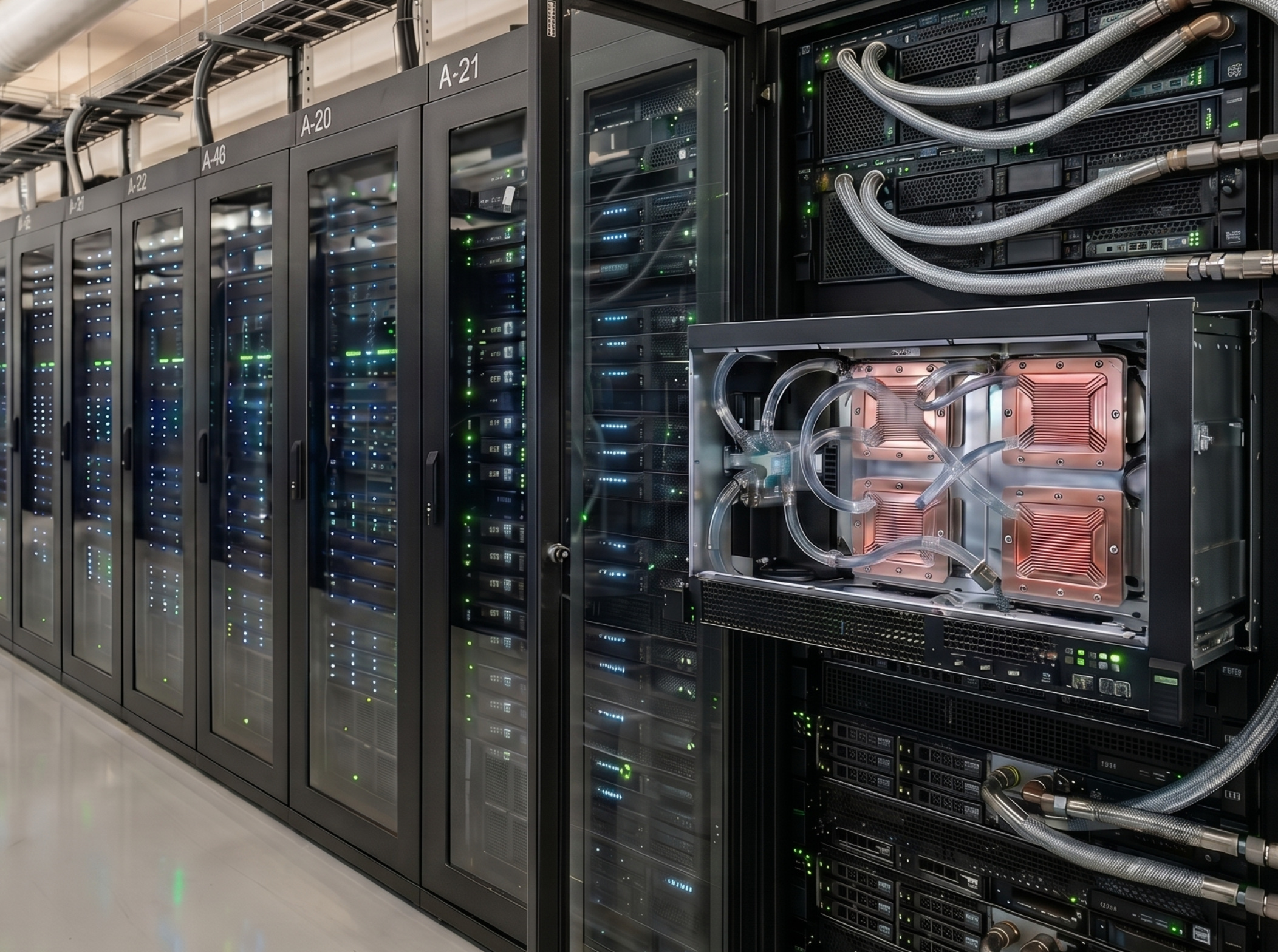
Get expert coverage across every data center discipline — from assessment and liquid cooling to AIOps, field services, and service desk support. See how Unisys keeps high-performing facilities running at scale.
See services

Consultoria

A natureza do trabalho está mudando. Vamos fazer seu negócio evoluir juntos. Prepare sua organização para o futuro com os serviços de consultoria da Unisys e avance como uma entidade digital em primeiro lugar.
Explore

Histórias de clientes

Explore vídeos e histórias em que a Unisys ajudou empresas e governos a melhorar a vida de seus clientes e cidadãos.
Explore

Pesquisa

Embarque em uma jornada rumo a um futuro resiliente com acesso às abrangentes pesquisas da Unisys, desenvolvidas em colaboração com os principais analistas e empresas de pesquisa do setor.
Explore

Centro de recursos

Encontre, compartilhe e explore ativos para apoiar seus principais objetivos operacionais.
Explore

Carreiras

Curiosidade, criatividade e um desejo constante de melhorar. Nossos associados moldam o amanhã indo além do conhecimento especializado para dar vida a soluções.
Explore

Relações com investidores

Somos uma empresa global de soluções tecnológicas dedicada a impulsionar o progresso das principais organizações do mundo.
Explore

Parceiros

Nós colaboramos com um ecossistema de parceiros para fornecer aos nossos clientes produtos e serviços de ponta em muitas das maiores indústrias do mundo.
Explore

Opções de idiomas

Idioma selecionado:

Português
    Blog Hero

    How to protect your device budget from DRAM price spikes

    5 MIN | out. 15, 2026 | Tim Rashkin

    Short on time? Read the key takeaways:

    • Refresh plans are built a year out. DRAM prices move much faster, so each batch pays the going rate the month it ships.
    • A smart bulk buy, sized to what the data shows is needed, gets ahead of market volatility instead of riding out every price hike.
    • Age is a weak signal. Device data shows which machines are actually degrading.
    • The buy needs evidence from your device estate, and the hardware needs somewhere to sit until each batch deploys, which Unisys can achieve through our global logistics network.

    Most device refresh plans are built a year in advance, while DRAM prices move on a much shorter cycle.  Buying a year’s worth of devices now, at a price you know today, lowers your exposure to whatever the market does next.

    Here's what's driving these price changes and what to work out before you commit.

    Why do DRAM prices keep changing?

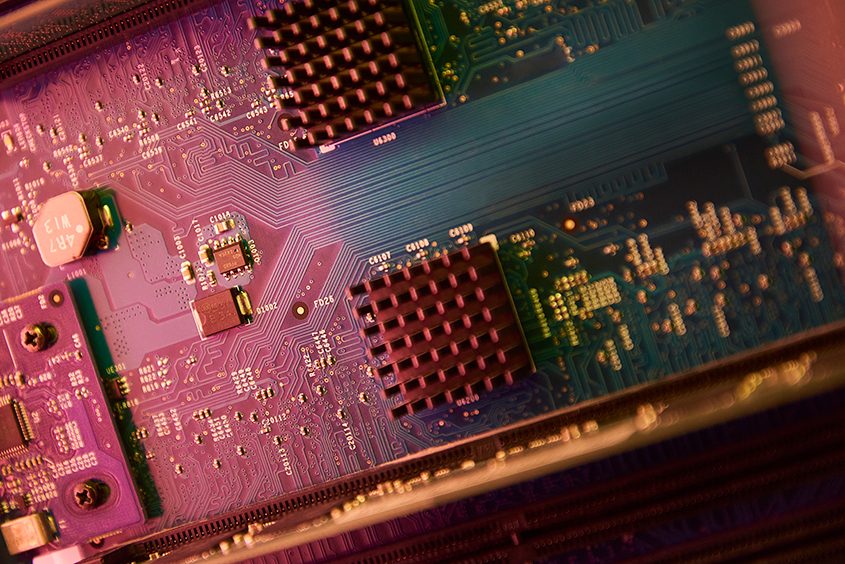
    A refresh plan delivers devices in batches across the year, and each batch pays whatever DRAM costs the month it ships. AI data center demand continues to absorb memory supply, and new fabrication capacity takes years to come online, so supply can't respond on a quarterly cadence. That mismatch means a plan built on last year's assumptions can land well above the budget it was built against.
    DRAM price spikes

    Three questions to settle before you buy ahead

    Buying ahead is a bigger commitment than a normal refresh, and three questions decide whether it holds up.

    Where will the devices go? A year of hardware needs somewhere to sit between purchase and deployment, and some organizations don't have the necessary storage space or conditions. How much space you need depends on the delivery schedule: devices deployed in month two need storage for weeks, devices deployed in month ten need it for most of the year.

    Which configurations should you order? One standard build rarely fits every team. What people need depends on the work they do, and at volume, that choice becomes the machine most of your workforce uses every day. Usage data shows where the differences are, including which users have outgrown what they're working on.

    How do you make the case for the timing? Moving spend earlier means justifying the volume without the calendar as your evidence. Age alone won't carry it, since a three-year-old machine in light use is in better shape than one that's been pushed hard since day one. Device data shows which machines should be retired, and which can move to a role with lower demands.

    What your device data can answer

    Most organizations are already collecting the information needed to answer all three questions. That information is telemetry: the performance, usage, and condition data devices report while people work on them. Read across the device estate, it turns each of those three questions into a number.

    Telemetry shows how hard a machine has been worked, not only how long it has been deployed. That separates devices that should be retired from those with life left, giving you a replacement volume built from the fleet instead of the calendar.

    Usage patterns by role show which configurations people are working in, where the standard build falls short, and which users need more than their current machine gives them.

    With volume and condition settled, the refresh can be sequenced: which devices go first, when each batch arrives, and how long each one needs to be stored before deployment.

    Where a partner fits

    Turning telemetry into a buying plan is ongoing work, and the hardware has to sit somewhere in the meantime. Most technology teams have enough on their plate without adding a warehouse operation. Unisys Device Subscription Service handles device life cycle management end to end: telemetry analytics that match devices to roles, warehousing that holds each batch until it deploys, and redeployment for machines that still have life in them. Smart purchasing works with any procurement method.

    Want to explore how to build your refresh plan based on evidence? Start with a rapid value assessment for an intelligent device refresh.


     

    FAQs

    DRAM prices are climbing due to AI data center demand and long fabrication timelines, a surge the tech press has taken to calling RAMageddon, and memory accounts for a significant share of device cost. Since new fabrication capacity takes years to bring online, supply can't respond to demand on a quarterly cadence.

    It gives you a price now, which is easier to build a business case on than one that climbs with every spike. Buying a planned batch of devices at once fixes the cost of that hardware, so the rest of the year's budget isn't exposed to a market that keeps moving.

    Age tells you when you bought a machine. Device-level data shows how hard it’s been worked since. Two machines of the same age can be in very different conditions, so telemetry gives you a replacement list based on what's degrading.

    Device telemetry is the performance, usage, and condition data that devices report while people work on them. Read across an estate, it shows which machines are wearing out, which configurations different roles need, and how a refresh should be sequenced. Most organizations are already collecting it.

    Recent blog posts

    See how Unisys is shaping the future of AI, Cloud and Digital Transformation.
    8m
    | outubro 22, 2026

    Five design strategies to future-proof your data architecture

    Rigid data architecture is quietly limiting enterprise AI. See the five design principles for building data foundations that scale, adapt, and stay secure.
    Read more
    10m
    | outubro 20, 2026

    Bring the AI to the data: lessons from our CIO and CTO community

    Unisys CEO Mike Thomson shares what CIOs and CTOs say decides AI outcomes: knowing where data lives, bringing AI to it and keeping models replaceable.
    Read more
    13m
    | outubro 6, 2026

    AI governance: getting to yes without losing control

    Slow approvals kill good ideas. Chris Arrasmith explains how Unisys built AI governance that moves as fast as the work it's meant to protect.
    Read more

    Ready to see what's possible?

    Connect with our experts to discuss the specific outcomes you aspire to achieve. We'll explore solutions tailored to your objectives, operations, and industry.