















9 forces and 10 ways to make IT field services more effective
January 22, 2026 / Unisys Corporation
Short on time? Read the key takeaways:
- Nine forces are reshaping IT field services – some reduce the need for on-site support while others increase demand for specialized, hands-on expertise.
- Modern field technicians need broader skills, handling everything from liquid cooling systems to IoT infrastructure, supported by AI-powered scheduling and training.
- Effective support now blends remote diagnostics, augmented reality guidance, virtual tech cafés, and self-service options like IT vending machines.
- Success requires global scale with local precision: Unisys provides 7,300+ technicians operating 24/7 across 120+ countries while controlling costs and maintaining quality.
The traditional IT field services model can be summed up in seven words: “Something’s wrong. Come fix it in person.”
In response, a highly technical field engineer would go to the user, diagnose, repair or replace as necessary, and leave. That in-person field engineering support model needs an update, especially given today’s flexible work models, where employees need access to support across time zones and locations.
Multiple forces are pushing and pulling at businesses, making it necessary to rethink field services. Understanding these forces and how they’re changing support is critical for organizations that want to provide users with positive, convenient experiences that reduce costs and increase productivity.
Let's examine the nine forces shifting IT field services and explore how organizations can enhance support for hybrid workforces.
9 forces impacting field services
1. Device reliability keeps improving
Devices are far more reliable today thanks to operating system stability and fewer moving parts. When a device breaks, it is often replaced rather than repaired. Couple this with modern device management processes that allow users to provision a new device over the air on their own, reducing in-person support requirements.
2. Cloud technology enables self-service
Historically, most of field support dealt with software needs. Tasks like updating software, upgrading the OS and swapping out devices as part of a PC refresh program were manually intensive procedures. Field engineers needed to be physically present to install apps, perform backups, and handle imaging.
That changed with modern device management processes. Modern device management enables the cloud-based delivery of apps and data backups. The end user can now handle this entirely, reducing the need for field engineer involvement.
3. Remote diagnostics solve problems faster
There are plenty of problems that users cannot fix on their own. In the past, a technician often needed to be on-site to determine whether an issue was related to the PC, the network, or the router. Today, it is getting increasingly easier to diagnose and fix problems remotely. Even if a technician cannot connect to a PC for screen sharing, virtual technologies, such as augmented reality, enable support staff to remediate issues without being physically present with the end user.
4. Cost pressures drive efficiency
The most expensive part of IT support is in-person field services, particularly dispatch support, which includes the cost and time of travel. As businesses seek to tighten budgets, combining a redesign of the support process and modern device management tooling makes cost reductions readily achievable.
5. Smarter processes eliminate wasted trips
When support processes haven’t been optimized, it is common for field engineers to be dispatched to fix problems that could have been resolved remotely. The modernization of ITIL processes reduces unnecessary on-site visits by accurately identifying when problems can be resolved remotely and when in-person support is required.
6. Users expect speed over in-person visits
Many users don’t want to waste time scheduling or waiting for in-person support. They expect a fast fix. This calls for remote support, and if that support can detect and prevent problems from occurring in the first place, that’s even better.
7. Complex workplaces require hands-on expertise
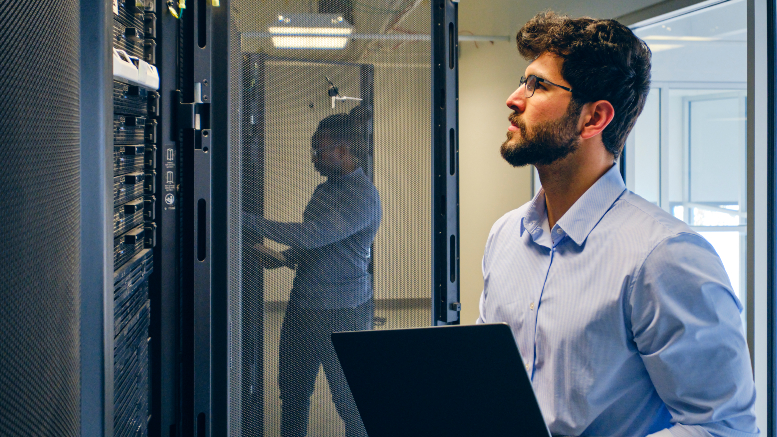
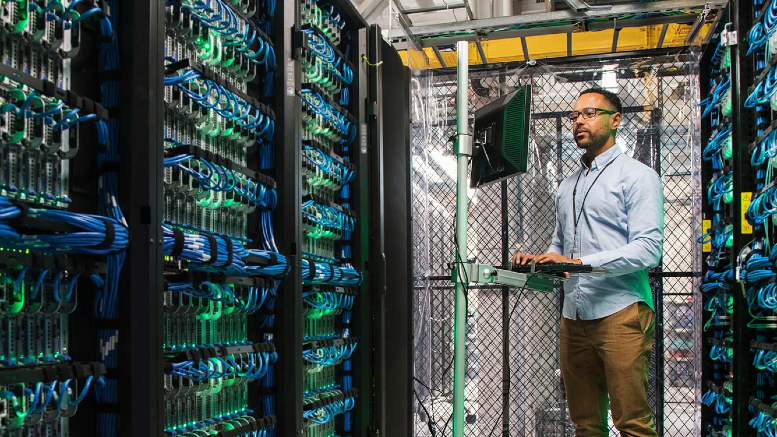
The modern workplace extends beyond PCs. Smart buildings, smart conference rooms, IoT, and biometrics all require hands-on installation and maintenance. AI-enabled data centers introduce even greater complexity, requiring certified technicians to maintain specialized liquid cooling systems. These physical installations, repairs, and system checks can't be done remotely.
8. Premium support remains a valued perk
Although many users prefer remote support or self-service options, some consider in-person support a business perk. These users expect immediate, personalized attention from field technicians if they encounter IT issues. Certain business roles benefit from in-person support because the downtime costs more than the expense of an on-site visit.
9. Device ecosystems keep growing
Device ecosystems are becoming increasingly complex. Users engage with multiple device types, including desktops, notebooks, tablets, and smartphones. These devices rely on multiple operating systems and are loaded with endless applications. There are times when users simply want personal one-on-one help getting their digital assets in order so they can work at maximum productivity.
10 capabilities to reimagine field services
These forces are redefining what effective field services look like: superior end-user experiences, higher productivity on emerging technologies, and fewer unnecessary on-site visits – all while controlling costs.
So how do organizations make that happen? By building field services around these 10 capabilities:
1. Leverage remote diagnostic and remediation tools
Digital experience, application performance, and analytics-based monitoring tools empower field engineers to work remotely. Augmented reality enables real-time expert guidance for complex troubleshooting without on-site visits, lowering overall support costs.
2. Gain consistency and cost savings through badged employees
Many providers use subcontractors, sometimes three or four layers deep. This creates margin stacking, price pressure, and inconsistent quality. Providers who use their own badged employees reduce these issues.
3. Drive value through AI
AI automates routine tasks, predicts issues, and matches jobs to the right technician with the right tools. This can help organizations achieve first-visit fix rates above 95%. AI also delivers just-in-time training to field engineers' mobile devices, keeping them current on rapidly changing technologies through the Unisys Service Experience Accelerator, which integrates field services closely with the service desk.
4. Upskill field engineers to broaden expertise
Support personnel need skills beyond computers and mobile devices-conference room equipment, scanners, sensors, cameras, biometrics, liquid cooling systems, IoT, and smart buildings all require specialized expertise.
5. Deliver a consumer-like experience
Workers expect to interact through modern tools (Teams, Slack, mobile apps), track tickets and technician arrivals, and share information via mobile or cloud. Integration with IT service management platforms like ServiceNow provides real-time visibility into service status, device tracking, and technician arrival time.
6. Offer virtual tech cafés
Virtual tech cafés equipped with augmented reality bridge the gap between self-service and expert guidance, reducing expensive in-person dispatches.
7. Enhance end-user productivity
Field engineers work with people, not just hardware and software, helping users navigate applications efficiently through on-the-spot tips and training.
8. Provide options that prioritize the business
Smart lockers, IT vending machines, and overnight depot shipping for distributed workforces allow immediate device swaps and quick returns to productivity.
9. Scale globally with local precision
Organizations with distributed workforces need support that travels with their teams. Providers like Unisys deliver field services with over 7,300 trained technicians operating 24/7 in more than 120 countries, plus global logistics and configuration centers that ensure employees receive the same high-quality service wherever and whenever they work.
10. Operate as a trusted extension of your brand
Technology vendors and organizations often need field support that carries their brand instead of a third party's. Services like Unisys Private Label Field Services provide that – certified technicians providing on-site installation, maintenance, and support under the client's brand (partners like Dell and Microsoft use this model) while Unisys handles all scheduling, logistics, and workforce management.
Level up IT field services
Ultimately, effective field services require a holistic understanding of the digital workplace ecosystem: the hardware, software, users, and business needs that drive superior support experiences. By partnering with a provider that offers this field services model, businesses can successfully reduce cost and complexity while enhancing productivity and ensuring a great experience for their workers.
Explore how field services with Unisys can help you enable a productive, secure and modern workplace – anywhere, anytime.
Reimagining field services is just one piece of a comprehensive digital workplace strategy. See how providers stack up in critical areas of digital workplace services. Unisys was positioned as a Leader in the 2025 Gartner® Magic Quadrant™ for Outsourced Digital Workplace Services and ranked first in three areas in the 2025 Gartner Critical Capabilities for Outsourced Digital Workplace Services report: Global Service Desk Support, Global Device Management and North America Outsourced Digital Workplace Solutions Support.