














From manual to self-driving: An automated approach to managing cloud infrastructure
December 23, 2025 / Manju Naglapur
Short on time? Read the key takeaways:
- Managing cloud infrastructure manually is like driving with a stick shift, while an automated and AI-powered approach is like a self-driving car.
- This approach represents a fundamental transformation that can keep up with the scale required to meet changing digital demands.
- The operational benefits include increased efficiency, agility and resilience.
- The right infrastructure partner can help your organization build this foundation and scale automation across your operations.
Managing cloud infrastructure manually is like driving a stick-shift car. It gets you where you’re going but requires significant concentration and effort. The future involves a self-driving approach with autonomous, AI-powered systems.
Traditional “stick shift” operations — where many tasks require human intervention — can’t keep pace with the speed and volume of changes occurring in cloud infrastructures. Without automation, enterprises risk falling behind competitors that adopt more agile and responsive operational models.
Automation with minimal human intervention replaces manual processes, which are inefficient, error-prone and stall efforts to respond to dynamic business demands. That shift is partly due to the exponential increase in the scale of modern IT environments and the complexity of managing cloud environments, infrastructure and security operations.
Steering towards autonomous infrastructure success
This shift to an autonomous “self-driving” infrastructure represents a fundamental change in how enterprises approach operational efficiency and resilience. Manual management of cloud operations, security monitoring and service delivery no longer scales given the growing scope and speed of digital demands. It’s like studying the rearview mirror when the on-ramp to future innovation is just ahead.
Many organizations prioritize automation as an enabler and a mandate, driven by the need for speed, accuracy and cost-effectiveness. Self-driving infrastructure refers to systems equipped with embedded intelligence and automation that can handle routine tasks such as provisioning, monitoring, patching and healing without human involvement.
Such infrastructure can anticipate problems, automatically resolve common issues and optimize resource utilization dynamically. This evolution transforms the operational model from reactive to proactive, much like a dynamic GPS, greatly enhancing reliability and uptime while reducing the burden on IT staff.
Accelerating your operational benefits
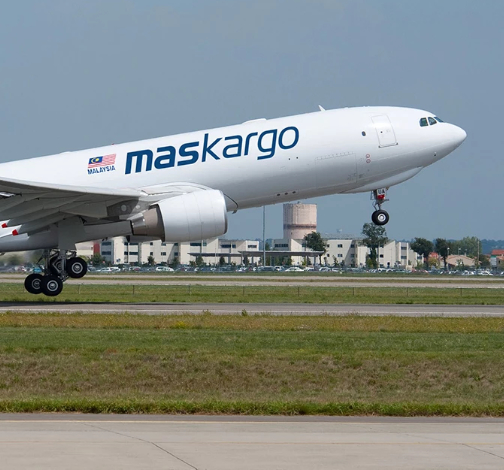
A self-driving infrastructure delivers multiple operational benefits, and AI and automation are essential to achieve efficiency, agility and resilience. Prioritization of AI operations, or AIOps, along with an AI-first and automation-first approach, can be impactful. Client NI, part of Emerson’s Test and Measurement business group, worked with us to automate application modernization processes, code import and conversion, saving significant employee time.
By adopting autonomous workflows and automating self-healing systems, your organization can drastically minimize downtime, reduce operational costs from repetitive, error-prone tasks and resolve issues without waiting for human intervention. This approach can also increase resilience with faster anomaly detection and improve agility because automated systems can scale and adapt faster than manual processes.
Scalability and cybersecurity are crucial when managing 24/7 operations, and self-driving infrastructure provides advanced security not possible with traditional security models, which rely heavily on manual effort. With AI-powered automation, enterprises gain round-the-clock monitoring and response capabilities so you can avoid blind spots and mitigate persistent, sophisticated attacks at scale.
Automating routine operational tasks frees your IT and engineering teams to focus on higher-value activities — such as innovation, strategic planning and new product/service design. This shift enhances organizational creativity and responsiveness, positioning your organization to better capitalize on emerging market opportunities.
All these benefits can help bridge the “enterprise readiness gap” — the widening divide between organizations using manual operations and competitors who adopt AI automation. Those lagging in automation risk human error, slower response times and higher operational costs. Self-driving infrastructure, by contrast, enables consistent and proactive management across hybrid and multi-cloud environments for more agility and a competitive advantage.
Driving outcomes with a managed solution
AI-first, automation-first mandates are becoming table stakes. Organizations seek to rapidly scale automation and operational efficiency to realize the benefits. Managed services can help you build a secure, cost-effective foundation to offload routine operational tasks and can support delivering AI-driven automated operations at scale.
Look for services with integrated tooling and best practices that provide a roadmap as you move from manual “stick shift” operations to self-driving, automated infrastructure management. A solid foundation makes responding to market pressures and future-proofing operations easier. The services serve as a scalable, adaptable platform for enterprises to accelerate their automation journey.
AI-enabled managed services can support your efforts by helping your organization:
- Embed automation and AI-driven processes into day-to-day operations.
- Improve cloud operations, security and infrastructure management continuously and operate more efficiently.
- Reduce the need for large, costly internal teams while improving operational consistency, speed and accuracy.
- Focus internal resources on innovation and strategic initiatives rather than routine management and firefighting.
- Speed up your automation journey, reduce operational risk and improve overall agility.
Put innovation into high drive
The transition from “stick shift” to “self-driving” represents a broader movement toward autonomous digital infrastructure. Most manual tasks will evolve as the industry moves toward AI-driven operational automation. This is both a holistic transformation and a technical upgrade, integrating cloud operations, security and infrastructure management under unified AI-driven frameworks.